
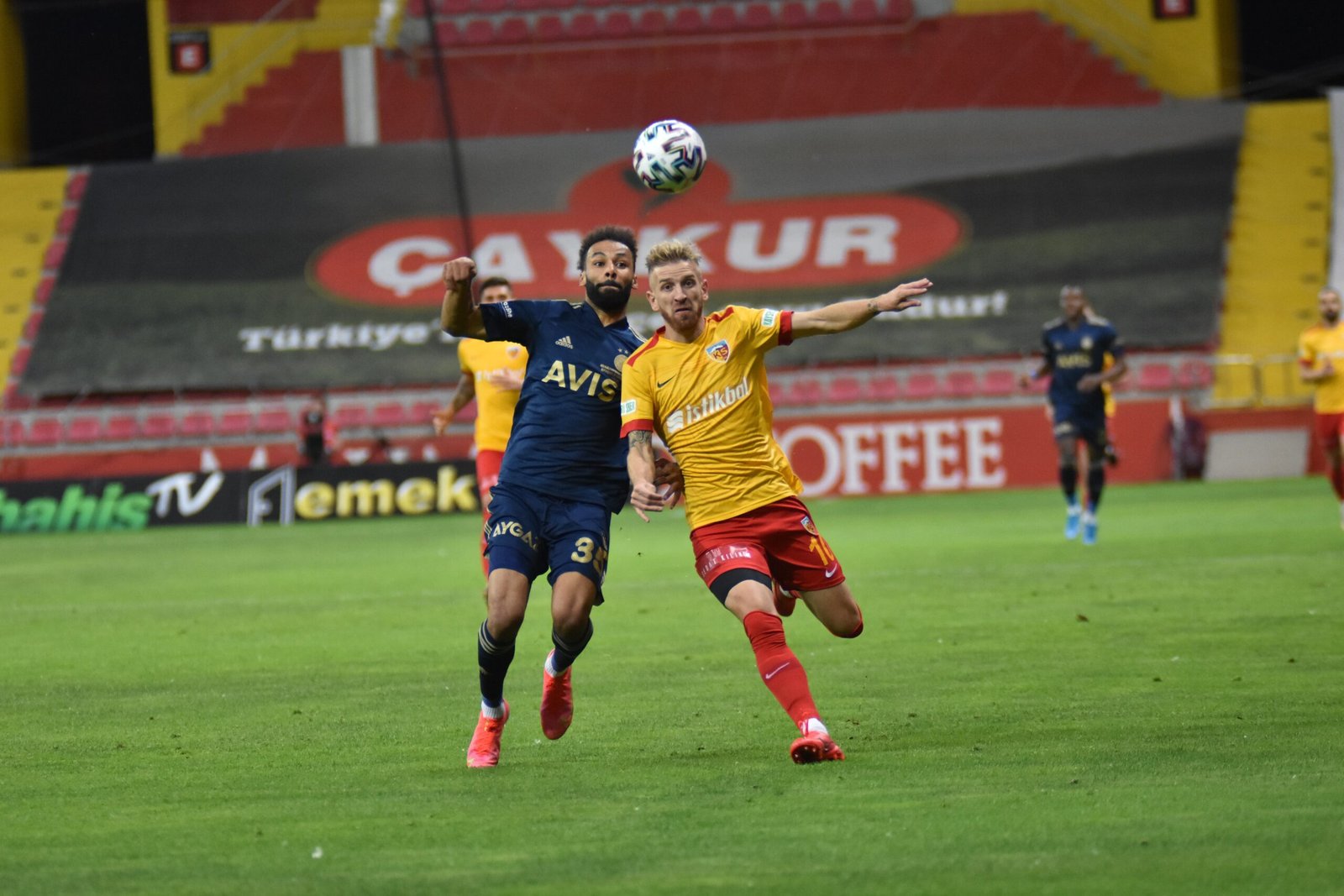
Indian Super League people say it’s still improving and catching up with other Asian leagues but then something like this happens. A bad pass in midfield, a turnover, two touches later and Mumbai City FC break the other way and the atmosphere of the stadium completely changes. Not too shabby. A little bit. It’s not about patience with this sort of football, it’s about attention of the audience.
Bengaluru FC
Bengaluru FC still look like they want the game to take care of itself. The midfield circulation seems to have been practiced to the point of exhaustion and the build is slow and methodical. They sit in the top bracket, but that swing never settles comfortably. This design will be familiar to fans. The opponents do likewise.
Mumbai City FC
Mumbai City FC does it differently. They press the pitch, stretch it, and then snap it with rapid vertical passes. Their attack line often sits on the last defender’s shoulder, waiting for an ungranted permission.
Kerala Blasters
The Kerala Blasters are a different proposition altogether. Emotion is not a tactical system, but in this case it functions like one. Home games in Kochi are like pressure cookers on steroids. A misplaced pass is considered an insult. The team feeds off it, sometimes too much.” It’s when a team is 1-0 at 70 minutes but still going for a second instead of closing out the game. Before the ball even crosses over, everybody in the stadium knows that’s where points go to die.
Mohun Bagan SG
Then there is Mohun Bagan SG. A team that doesn’t look hurried even when chasing a game. They shuffle possession patiently, frustrating the opposition into stepping out of shape. Suddenly the defensive block is split by timing not pace as one midfielder drops and one spins out wide. Looks peaceful until it isn’t. A 0-0 game can become a 1-0 one with five passes and two seconds of hesitancy from the back line.
Indian attackers
New fans often ask: where do the goals in this league come from? The answer is simple, yet complicated. Indian attackers are more decisive in the space in between the lines now, but foreign strikers still carry a significant burden of finishing. especially the wide men. They no longer just run along the touchline. They combine, drift in and finish off moves that used to culminate in a hopeful cross. This move has altered the rhythm of the match in a way that isn’t always reflected in headline statistics.
Defenders, too, have tried to adjust. High lines are more common now but they have a danger that rears its ugly head in stoppage time when legs tire and concentration wanes. A diagonal ball over the top can cost you eighty minutes of control. Coaches are always yelling to be calm, even when nothing feels calm. Because it doesn’t happen much.
Playoff system
The playoff system sharpens everything. “One horrible night and a team that finishes second in the league stage can be eliminated. This tension is acted out during the regular season. Coaches know well the consequences of losing control late and are reflected (sometimes, almost conservatively) in early substitutions around the 60th minute. Thus they consider games as elimination games. And sometimes that prudence can hinder the show. Sometimes it can save points, you know. Both are correct.
Some will argue that the league still lacks defensive discipline compared to more established tournaments. That’s fair in some areas. But it also ignores the tempo of the attacks down here and how little time defenders really have to collect themselves. The errors are visible, but it is not that players are irresponsible, but because everything happens faster. That difference matters, even if it doesn’t always change minds.
1-1 tie
Passes that used to slip through tight gaps now go wide. The full-backs cease their aggressive overlapping. Midfield lines are unguided, placed a few metres deeper. It’s subtle, until it isn’t. A 1-1 tie becomes three in a row, and suddenly one result in the final week decides your playoff eligibility.
and still the masses are noisy. Some away teams may not always be happy with the way they present, but they do present in a way that impacts the game. You can see when players are feeling a change in volume because you see them change their runs as if sound itself is a signal.
That feels like most weeks these days. Every game is a game of a question mark. Even after the final whistle.