
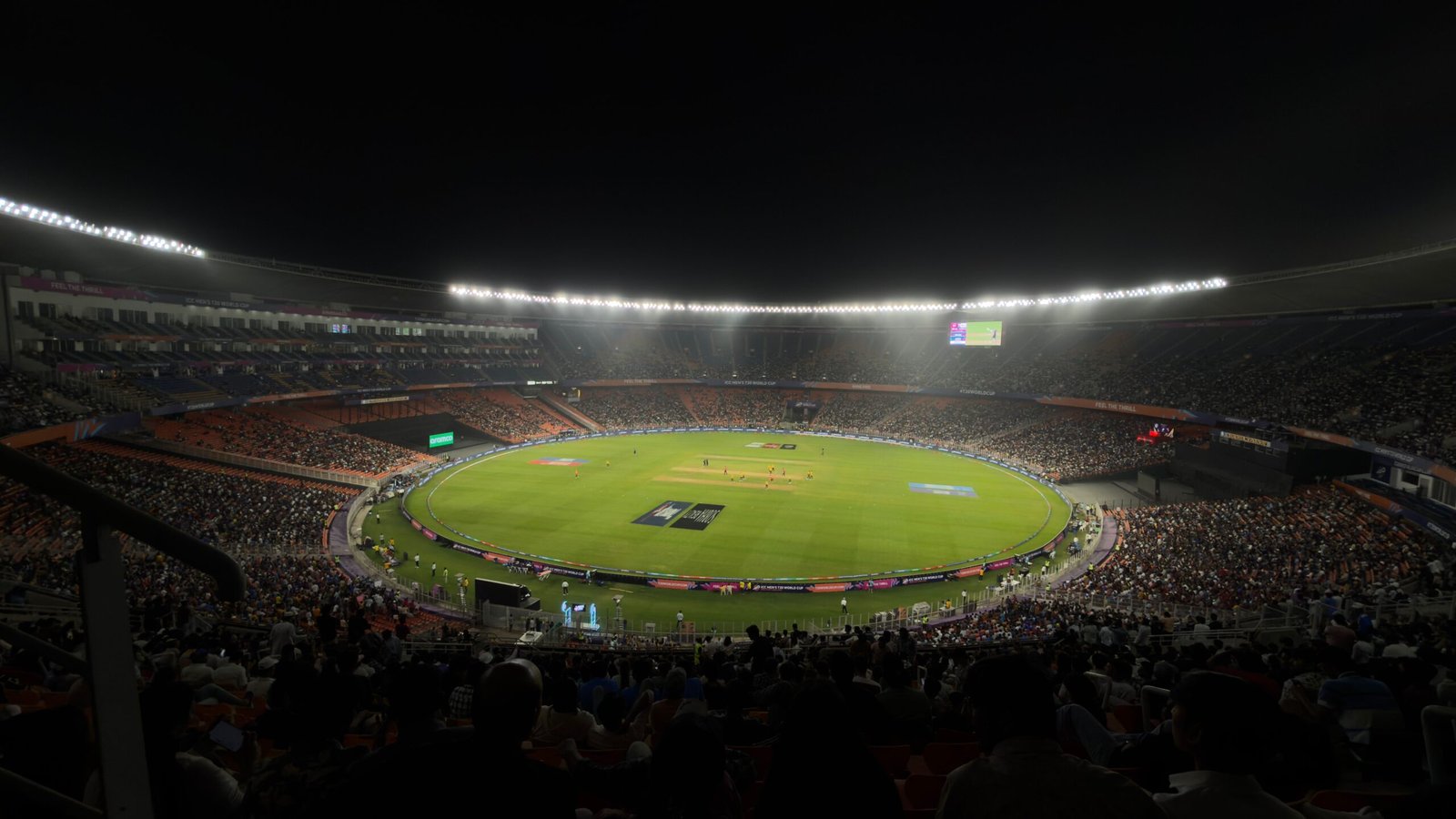
Pakistan’s Journey to 2027 World Cup in Dubai, the scoreboard was not telling the story. The chase was done. What Pakistan needed was determination in the Champions Trophy match against India, but what they got was hesitancy. Singles were played to the leg side and the asking rate climbed like a tax bill no one wanted to open.
Babar Azam’s measured fifty was composed in isolation, but felt strangely distant in context. Muhammad Rizwan kept on nudging. Saud Shakeel was still waiting for the holes that weren’t there.
Sometimes the rankings are misleading.
2027 World Cup’s Preparations
Pakistan’s ODI results in the last cycle look good on paper as they beat teams they were supposed to. They ran up wins against depleted New Zealand teams at home. They were used to dealing with them before Afghanistan started fighting back.
They stacked up the runs in comfortable situations as their bowling unit took charge of the middle overs and their top order hardly felt any pressure on the scoreboard. The build-up is credited in the ICC table. Tournamnet cricket does not reward hesitation.
The problem with this side is that… Pakistan is not short of talent. They are not clear.
Babar is still one of the best ODI batsmen in the world when conditions are conducive for batting. He controls tempo better than most players outside the top tier, so his lifetime average is still excellent. But the game of ODI cricket has developed around him. 65 off 78 balls was once a supported innings. Now it can be quietly slowed down.
Babar Azam in 2027 World Cup
In recent chases, Babar has attempted to accelerate in the middle of an innings, playing lofted shots before his instincts told him, and you could feel the strain. It worked sometimes. Sometimes the innings went totally out of shape
And his rhythm became a part of Pakistan’s batting identity.
Rizwan in 2027 World Cup
Rizwan has similar issues and strengths. Great accumulator. Hard opponent. seldom gives his wicket for mere pence. But instead of lengthening the innings they often shorten it. If you have hitters to back up an anchor, then that anchor can work in today’s ODI format. You require near perfect execution around two anchors. That sort of sustained support is rare for Pakistan.
Fakhar Zaman in 2027 World Cup
Fakhar Zaman’s form is disproportionately important because his early aggression changes the shape of the field. Fakhar’s quick scoring has generally ensured Pakistan’s best ODI performances over the last few years have come when Babar has been able to settle into his innings naturally, rather than having to accelerate himself.
“Usually when Fakhar gets out early, the innings gets shorter. Dot balls go up. The middle overs had become survival drills, not launch pads.
Then it’s the middle order. or what Pakistan hopes will develop into a middle order.
Saud Shakeel in 2027 World Cup
Saud Shakeel is intelligent and controlled but not enough pressure at the border. Iftikhar Ahmed had his moments of usefulness before age and patchy performance caught up with him. Pakistan still considers Agha Salman a supporting player, not a structural necessity, despite the fact that he is more known for tempo than the rest of the players in the system.
And before anyone can really define their role, the younger hitters come and go. Number five, one series. Another at the beginning. Then, release. Then they went home to answer the call of domestic cricket.
It feels improvised, because it is.
Pakistan’s domestic system is still not producing ODI batsmen ready for the middle overs of top cricket. Too many players depend on accumulation as a way of controlling regional attacks but they do not have the power game needed between overs 25 and 40 when they travel overseas. Watching Pakistan defend itself against the attacks of the elites, you will see how rarely it draws ugly boundaries.
Victory, India. In Australia seamers have their pay. The England pace bowlers reverse-lap, before the field settles. Elite assaults have stopped yielding enough of those years ago, and Pakistan often waits for the right ball.
There shouldn’t be as few defects hidden by the bowling as there are.
Shaheen Afridi in 2027 World Cup
Shaheen Afridi remains the emotional centrepiece of the Pakistan attack, as new-ball wickets change the whole energy of Pakistan. He whips the ball in quick and Pakistan look alive. Workload and injuries, however, have frequently broken his rhythm since 2022. The crispness comes and goes.
Spin is another unanswered question. Pakistan have spent years scouring the country for the next big wrist-spinner since Yasir Shah’s fall from grace in the white-ball arena. shadab khan batted better but his bowling lost some of its punch. Abrar Ahmed is exciting and tricky but Pakistan still don’t know how much they can trust him in ODIs.
And that troubling and unanswerable captaincy question persists.
In the last two years Pakistan has had so many changes in leadership that it could make a song and dance about every setback. Yes, Babar drove cautiously at times. But the constant reshuffling didn’t help much. Shaheen had a short stint in charge of the T20 cricket before the board changed direction again.
Pakistani cricket in 2027 World Cup
Then, as so often in Pakistani cricket, politics crept back into the dressing room. leaks in the selection. contradictory statements to the public. Coaches are less vocal than committees. The team doesn’t often stay in one clear direction for a long period of time.
You may survive dysfunction for a while by sheer skill. Pakistan did it in the past. The ODI standard for the world has become brutally specialised, making 2027 cycle look less forgiving.