
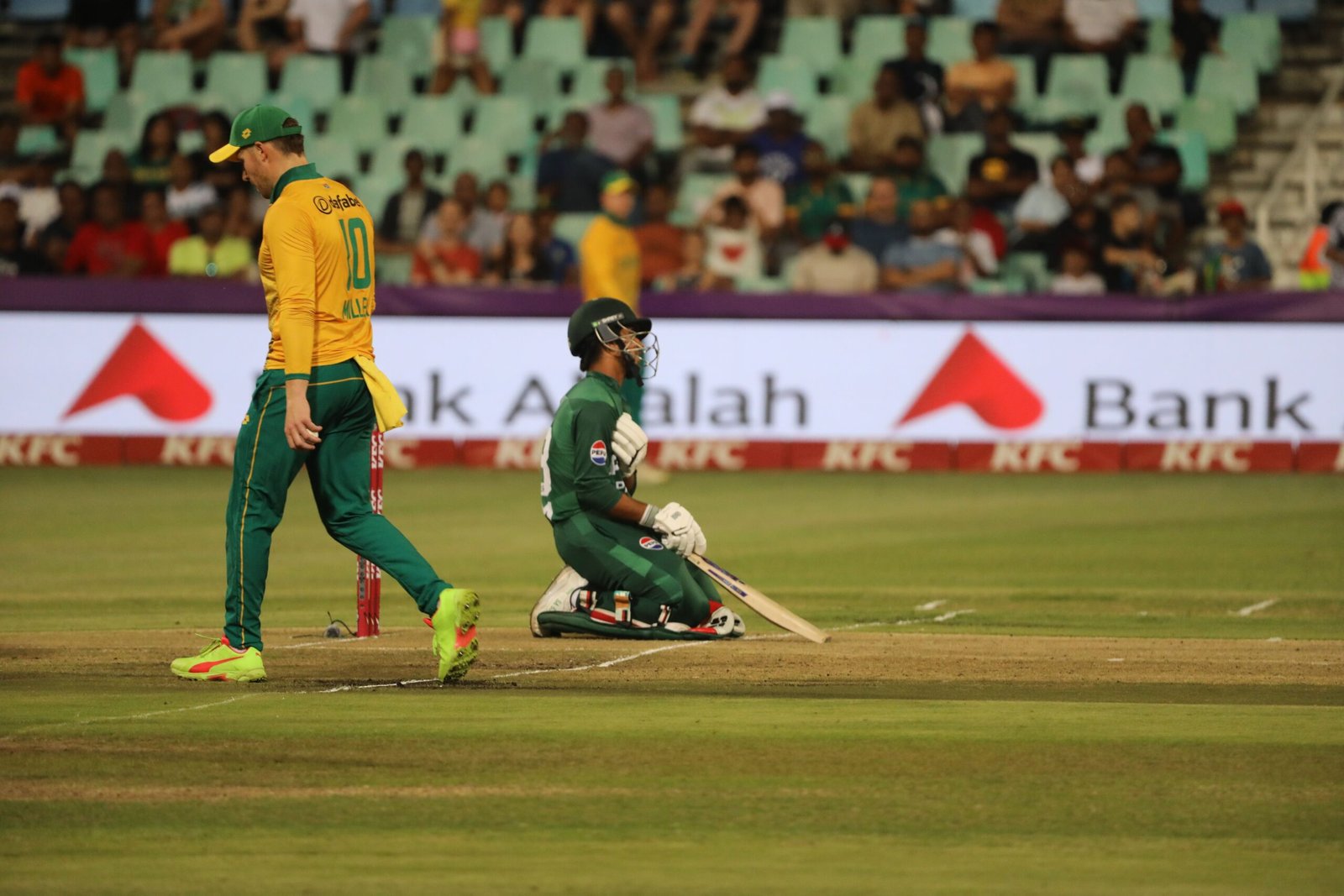
The game is always preceded by the cacophony. Clips start going around again in seven to 10 days. The Misbah scoop. Kohli’s pursuit at Adelaide. Mirpur Afridi Rohit Sharma helped India through a slow pitch as Pakistan’s seamers kept hitting the splice. Then someone posts the 2023 Ahmedabad score and the comments are a border crossing. So, Will India and Pakistan finally clash in the knockout stage of 2027 ODI WC?
Broadcasting Rights
A whole lot more than a game for a bunch. Television executives know exactly what they’re getting, so no other guaranteed broadcast event will be thrown into the first 10 days of the tournament. Now people want the knockout. the dangerous one. The game where one mistake lasts forever.
It is also, for the first time in a long time, supported by the logic of cricket.
“India will probably have a better team when they come back in 2027.” That much is clear already. And they continue to develop white-ball hitters who know tempo in a way most clubs still have difficulty coaching.
That pipeline is important in a long tournament.
KL Rahul
And that change has already begun to take shape in the past two years. Shubman Gill started to bat like a man who expects 120s instead of looking like a prospect. Yashasvi Jaiswal played aggressively and not recklessly. In ICC events, KL Rahul was the pillar of strength that India kept on needing. Then there is the bowling attack which, contrary to what we might think, is still the most important aspect of the discussion.
India’s 2027 World Cup Path
Their path to 2027 will be determined by volatility, not equilibrium. not trustworthiness. That’s not how Pakistan wins, hardly ever. They crush for three days, disappear for two, and then bounce back just in time to save the tournament as a whole. You may moan about it – many do – but in knockout cricket that instability also makes them very dangerous. No one in Johannesburg wants a side that can bowl fifteen hostile overs under the lights.
Especially if Shaheen Shah Afridi keeps doing well.
Then it was Pakistan’s turn. or prior to this. Sometimes both.
Pakistan’s middle-order uncertainty keeps recurring because they keep picking ODI sides as if chasing moods rather than roles. They want some anchors in a month. They are looking for intent traders for next month. Then someone scores 42 in no time in a bilateral and the batting order is turned upside down altogether. To be honest, it’s a tiresome follow.
But there’s still enough quality there to actually be a threat. Even when he slows down, Babar Azam still bats better than almost any other ODI batsman of this generation. The hundreds don’t come every other week anymore and people have begun to treat him like a let-down. But it says more about expectations than about a decline. Babar batting 38 overs is important in a knockout game on a used surface. It’s very important.
Mohammad Rizwan
Then there is Mohammad Rizwan who keeps coming up with uncomfortable innings till the score is 87 off 92. Pakistan manages to take control.
The counter-argument is already in the air. This conversation doesn’t happen enough in ODI World Cups for Pakistan not to beat India. You have a good point. India has reigned supreme in the biggest ODI arena for most part of this century, and that too not by a whisker.
The games have the same plot, often. India races through the chase with ruthless speed. Pakistan gets off to a good start but misses one stage.
But knockout cricket changes memories. One result rewrites a decade.
2027 format
And this matchup is much more probable under the 2027 format. If the tournament is again played in the larger 14 team format, both teams should cruise into the second phase unless something goes terribly wrong. India is likely to be in the top division. Pakistan usually wins enough games in long ICC events to get well into the calendar despite all that is happening around them.
So the route to the semis becomes real, not just a possibility.
Take a second to imagine it. Wanderers Ground Late afternoon light. India are chasing 286. The new ball is Afridi’s. Bumrah was ready to die. Half the crowd wore blue and the other half screamed at every dot ball as if it resolved a 1947 political dispute.
Too much? Maybe. Not really though.