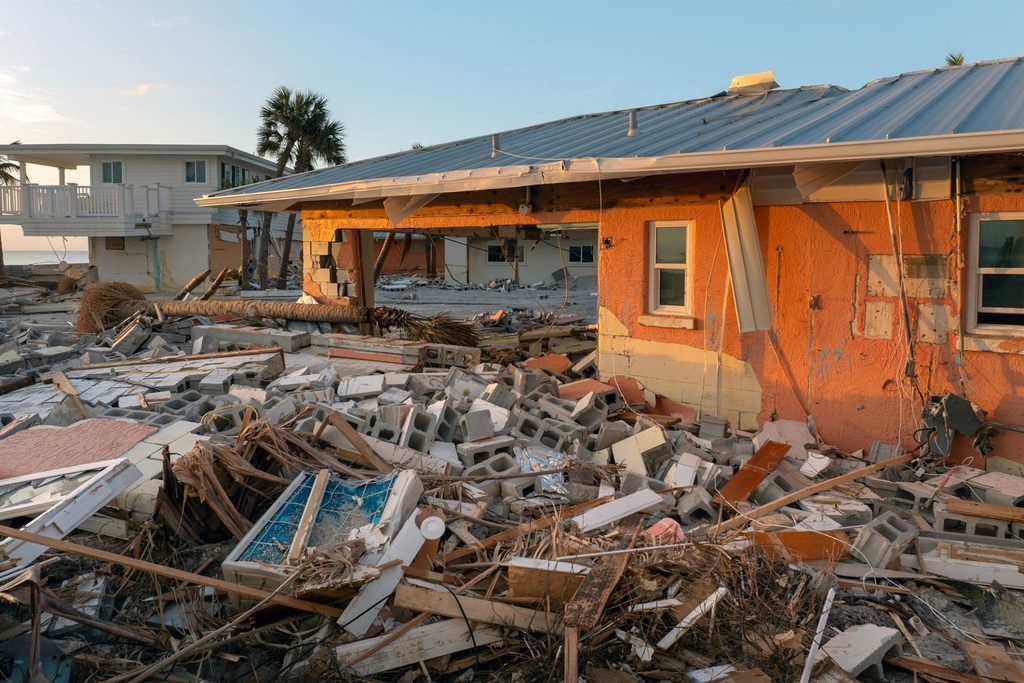
Best Homeowners Insurance Providers for High-Risk Natural Disaster Zones

Paragraph 1: Securing affordable homeowners insurance has become increasingly challenging for property owners living in coastal regions, wildfire corridors, and flood plains. Climate fluctuations and severe weather events have forced major insurance providers to re-evaluate geographic risk profiles across North America. Understanding your policy options ensures your home remains fully protected against sudden destruction while keeping annual premiums manageable.
Paragraph 2: Traditional insurance carriers frequently restrict underwriting guidelines or outright cancel existing policies in zip codes prone to extreme weather disasters. Property owners residing in high-risk zones must explore specialized hazard coverage options beyond standard dwelling policies. Partnering with insurers experienced in catastrophe risk management is essential to safeguard your structural equity and personal possessions.
Paragraph 3: Standard homeowners insurance agreements typically cover common perils such as localized fire, windstorms, and theft, while excluding major cataclysmic events. Supplemental endorsements or separate policies are mandatory if your residence sits within designated flood pathways or wildfire hazard regions. Knowing the precise boundaries of your coverage prevents unexpected out-of-pocket losses following major storm damage.
Understanding Specialized High-Risk Hazard Coverages
Paragraph 4: Flood damage represents the single most frequent natural disaster in the United States, yet standard hazard policies strictly exclude water damage from rising tides. Homeowners in coastal lowlands must secure separate coverage through the National Flood Insurance Program (NFIP) or private surplus line carriers. Private flood insurers often offer higher building replacement limits than federally backed government programs.
Paragraph 5: Wildfire hazard coverage requires specialized structural assessments and defensible space mitigation around residential properties in heavily forested areas. Insurers evaluate roof construction materials, vegetation clearance, and proximity to local fire stations before issuing coverage approvals. Implementing home hardening upgrades lowers your hazard rating and protects your dwelling during active wildfire seasons.
Paragraph 6: Windstorm and hurricane deductibles operate differently from standard fixed-dollar deductibles on traditional property insurance contracts. In coastal states, windstorm deductibles function as a percentage of your total dwelling coverage limit, ranging from 2% to 10%. Understanding these percentage deductibles prevents severe financial surprises when filing catastrophe damage claims after severe hurricanes.
Top Rated High-Risk Property Insurers
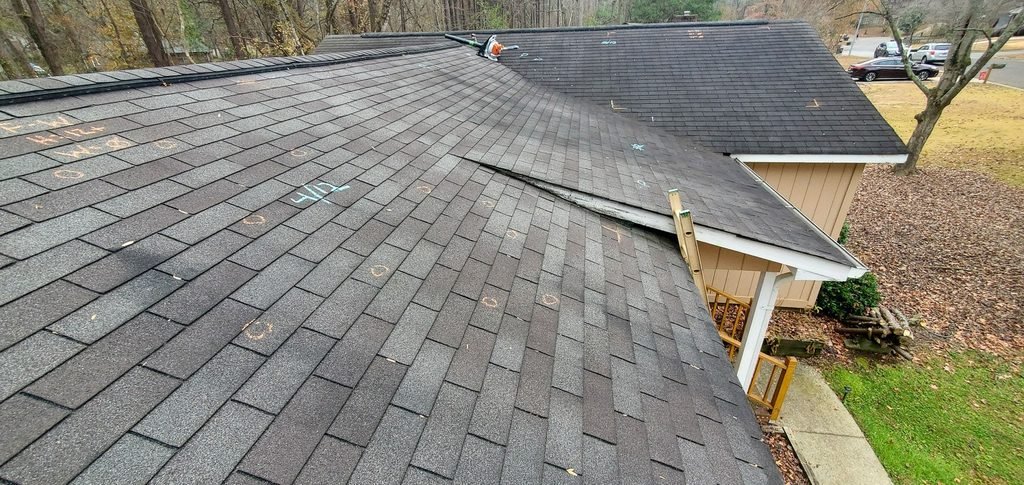
Paragraph 7: Chubb Insurance stands out as a premier provider for high-value properties located in coastal zones and wildfire-prone environments. They offer specialized risk engineering services, emergency wildfire defense response, and complete replacement cost endorsements without depreciation deductions. Their premium service model caters to luxury homeowners requiring custom financial protection strategies.
Paragraph 8: Auto-Owners Insurance provides robust catastrophe coverage options for suburban and rural homes exposed to severe weather patterns. Their policies include guaranteed replacement cost endorsements, personal property replacement coverage, and flexible windstorm deductible structures. Their strong network of independent agents delivers personalized service during complex catastrophe claims handling.
Paragraph 9: State FAIR Plans (Fair Access to Insurance Requirements) serve as the insurer of last resort for property owners denied private coverage. While FAIR Plan policies cover basic perils like fire and lightning, they offer limited structural protections compared to comprehensive policies. Property owners should combine FAIR plans with standalone difference-in-conditions (DIC) policies to bridge critical coverage gaps.
Strategies to Lower High-Risk Home Insurance Premiums
Paragraph 10: Hardening your home against natural perils is the most effective way to secure policy approval and earn substantial premium discounts. Installing impact-resistant roofing shingles, storm shutters, and reinforced garage doors significantly lowers structural vulnerability ratings during hurricanes. Insurance underwriters reward proactive property retrofits with lower annual premium schedules.
Paragraph 11: Raising your all-peril policy deductible immediately lowers your recurring monthly insurance payments on high-risk properties. Choosing a $2,500 or $5,000 deductible reduces insurance carrier exposure, resulting in noticeable policy cost savings. Maintaining a dedicated home emergency fund offsets higher out-of-pocket costs when minor structural repairs become necessary.
Paragraph 12: Installing smart home security devices and automatic water shutoff systems decreases overall property liability risks. Monitored smoke detectors, early leak detection sensors, and security cameras trigger automatic policy discounts with most major national insurers. Preventing non-catastrophic claims maintains your clean loss history and protects your long-term policy eligibility.
Navigating the Catastrophe Claim Settlement Process
Paragraph 13: Documenting your home’s structural condition and creating a comprehensive personal property inventory is essential before disaster strikes. Storing digital photos, purchase receipts, and high-value item appraisals in secure cloud storage accelerates claim processing times. Having verified evidence of your property’s pre-loss condition prevents disputes over claim valuation adjustments.
Paragraph 14: Contacting your insurance provider immediately following structural damage initiates the emergency remediation and repair process. Policyholders must take reasonable temporary steps to prevent secondary damage, such as tarping leaking roofs or boarding broken windows. Documenting all temporary repair expenses guarantees complete reimbursement under your policy’s loss of use provisions.
Paragraph 15: Shopping through specialized surplus line brokers ensures you access competitive rates across non-standard insurance markets. Independent specialty agents maintain direct relationships with excess coverage carriers willing to underwrite complex hazard risks. Investing time to audit annual policy limits guarantees your property remains completely protected against catastrophic disasters.