
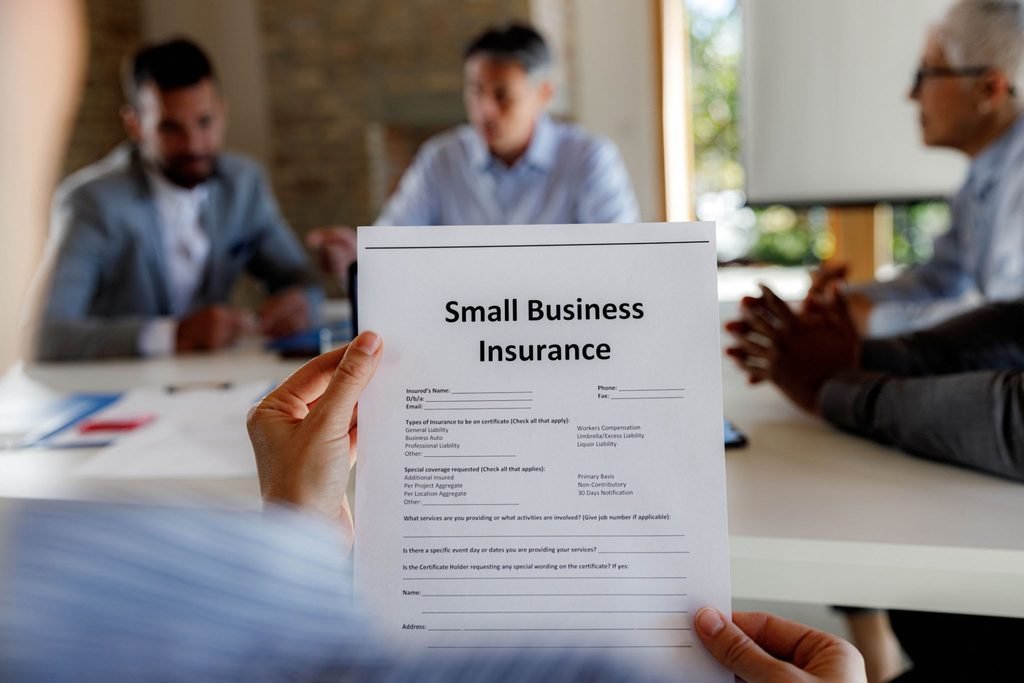
eviewing general liability policy options for small business operations. Source: skynesher / Getty Images
Operating a small business involves navigating daily operational risks, from unexpected customer accidnts to property damage claims. Commercial general liability (CGL) insurance serves as a foundational safety net, shielding enterprise owners against devastating third-party financial claims and costly legal battles. Without adequate coverage, a single slip-and-fall incident or legal dispute can jeopardize years of hard work and financial stability.
Commercial general liability insurance provides financial defense when a customer, contractor, or vendor suffers bodily injury or property damage on your business premises. Beyond immediate medical bills, these policies cover courtroom defense expenses, settlement payouts, and court-ordered judgments. Having a robust policy active helps maintain operational continuity when facing unpredicted legal challenges.
Understanding what commercial general liability covers allows business owners to choose policy limits tailored to their specific risk profile. Insurance providers structure these coverage plans around primary liability categories that frequently affect brick-and-mortar storefronts, contractors, and digital service providers. Evaluating these core coverage areas helps ensure comprehensive protection for your daily operations.
Core Protections Offered by General Liability Policies
Bodily injury coverage pays for emergency medical care, rehabilitation, and legal costs if a visitor sustains physical harm on your commercial property. For example, if a client slips on a wet floor inside your retail shop, general liability absorbs medical fees and legal representation costs. This essential safeguard prevents minor accidents from evolving into major financial liabilities for small enterprise owners.
Property damage protection covers costs when your business operations accidentally damage someone else’s physical belongings or real estate. If a contractor inadvertently damages a client’s plumbing system during a residential renovation, the policy finances necessary repairs or replacements. This coverage is crucial for businesses operating directly on customer sites or commercial venues.
Documenting physical property damage and bodily injury claims. Source: c-George / Getty Images
Personal and advertising injury protection guards against non-physical damages, such as copyright infringement, slander, libel, or false advertising claims. If an promotional campaign accidentally uses copyrighted imagery or copy, your insurer manages legal defense expenses. Safeguarding your brand identity against commercial disputes is vital in today’s highly competitive market environment.
Determining General Liability Insurance Costs
Insurance premiums for commercial general liability policies vary based on industry type, physical business location, employee headcount, and chosen coverage limits. High-risk sectors such as construction and heavy manufacturing face higher annual premiums than home-based consulting practices or e-commerce businesses. Insurers analyze historical industry claim data to assess baseline operational risks.
A business’s location and annual gross revenue also impact baseline insurance policy rates. Operations located in high-density urban areas or jurisdictions with high litigation rates generally experience higher premium quotes. Business owners can lower overall policy costs by implementing formal workplace safety protocols and maintaining clean risk management records.
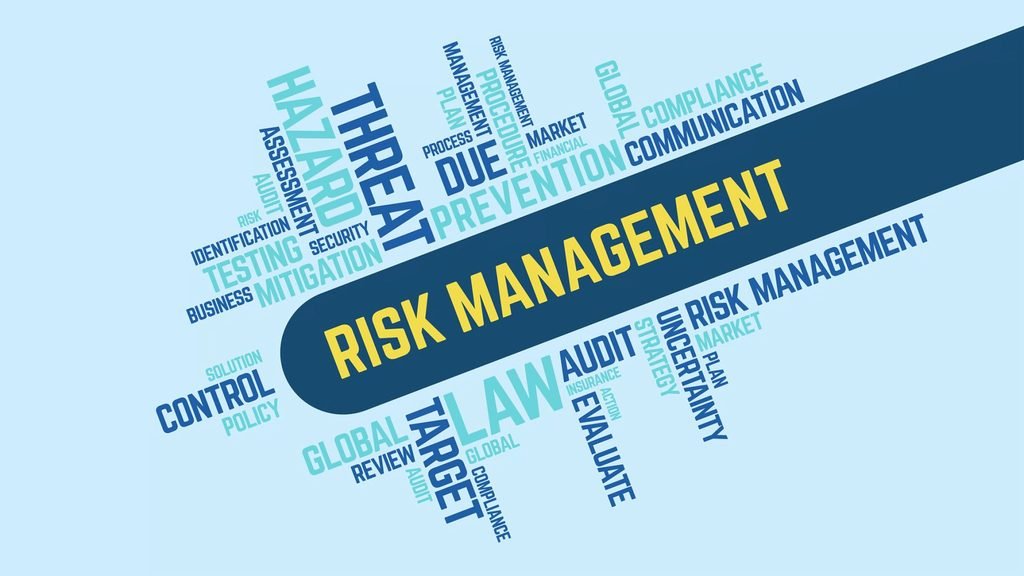
Evaluating operational risk factors to optimize business insurance premiums. Source: narvo vexar / Getty Images
Bundling general liability insurance into a Business Owner’s Policy (BOP) offers cost savings for qualifying small enterprises. A standard BOP combines general liability, commercial property insurance, and business interruption coverage into a single streamlined policy package. This consolidated approach lowers overall insurance expenses while expanding total protection against operational disruptions.
Steps to Secure the Right Business Insurance Policy
Assessing your specific operational risks is the primary step toward selecting adequate general liability limits for your enterprise. Consider your daily client interactions, physical foot traffic, and contract terms with commercial partners before setting policy boundaries. Most commercial landlords and corporate clients require vendors to carry at least $1 million to $2 million in liability coverage.
Comparing policy quotes from reputable commercial insurance providers ensures competitive premium pricing and optimal claim support services. Examine deductible amounts, policy exclusions, and endorsement options across multiple insurance carriers before finalizing coverage agreements. Working with an experienced commercial insurance broker can simplify evaluating policy terms.
Securing custom general liability insurance for local small businesses. Source: PaperFox / Getty Images
Maintaining updated policy documentation and obtaining certificates of insurance (COI) allows you to demonstrate active coverage to prospective clients. Regularly reviewing your policy limits ensures your coverage keeps pace with revenue growth, workforce expansion, and new product offerings. Proactive risk management helps keep your small business secure against changing legal and financial risks.