
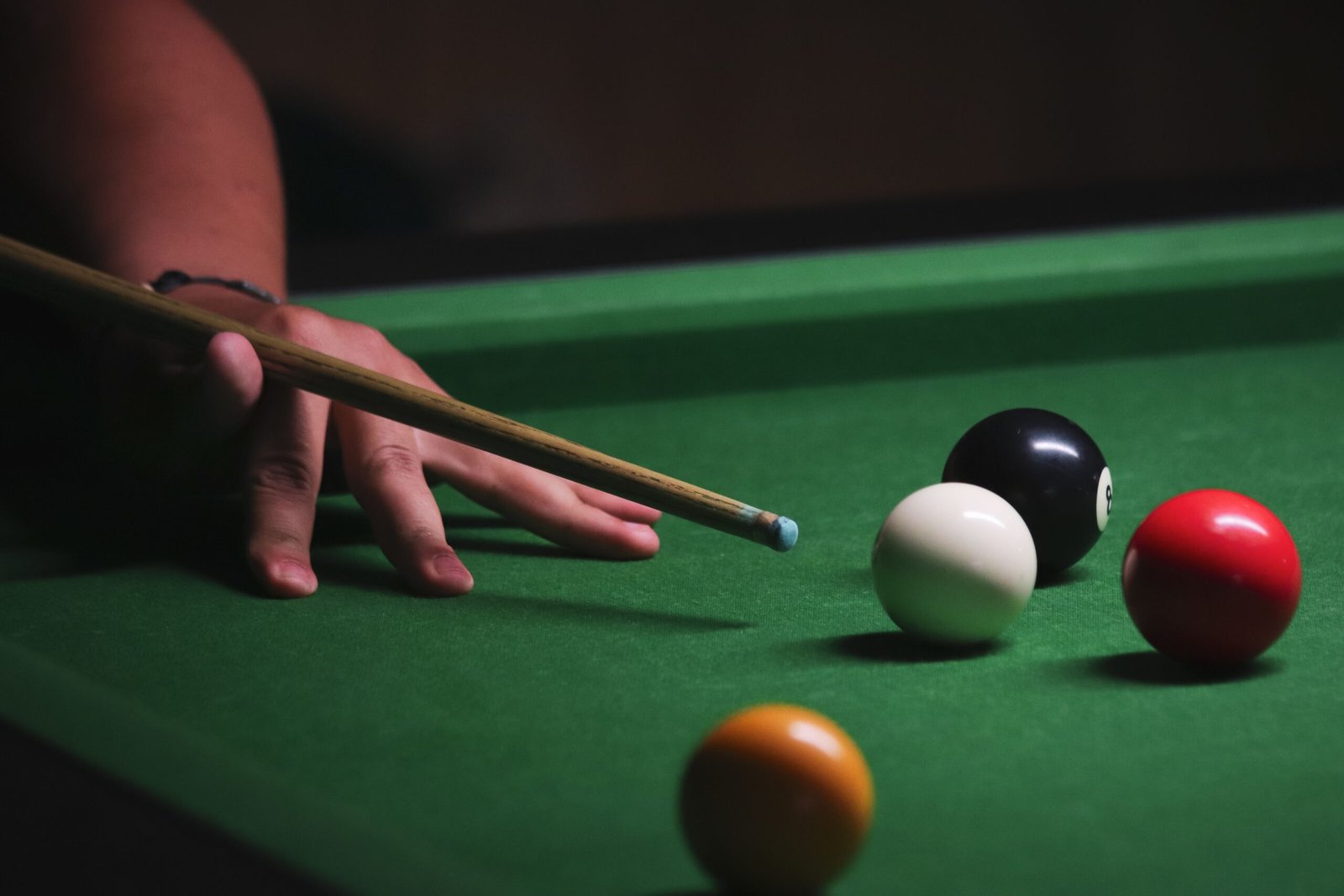
Half a second’s wait, slack safety catch on the baulk cushion, and Zhao Xintong is in the next red. He did not hesitate. Older players still seem to have the table map in their minds as a second language, but they don’t look back at it. Again the cue is down low and the cue ball moving thin and the frame is suddenly tilted. You can practically hear the mood of the table.
Zhao Xintong Winning frames?
That was what unsettled so many opponents during that run through the UK Championship a few seasons back when Zhao won the title, beating Luca Brecel 10-5 in the final. Zhao frequently broke before the spectators had time to settle down. Winning frames? Not only that. taking them out before the safety exchange had finished breathing, as if he had already decided how the story would end.
That tournament still remains an issue. Some refer to the draw; others to the time; and still others to the manner in which elite players made blunders in some areas. But that’s not the feel of the arena. Zhao did not cut the number of games. He sped them up. And that changes the whole game of snooker because both players, even the guy with the cue, have to make mistakes because of the speed.
He was bred in a system that valued discipline over flair. Thanks to regimented Chinese coaching routes, he became a cleaner striker than most of his generation, but something else emerged early doors. a willingness to take on reds from a distance that would make conservative coaches cringe. A little cut that kept getting smaller, but it didn’t feel like a percentage play.
And it kept working.
That’s the problem.
He was fully professional when the sport had its metronomes. accountants as frame-controlling players. Zhao avoided them. Instead, he twisted frames. In the referee’s time of standing aside, a visit becomes a visit of 78 turns. Then 105 appears very carelessly, as if the table had forgotten to resist.
He plays the second shot of the break off in a certain way. Not reckless, but not safe. Only decisive. When he’s in rhythm, you can feel the people across the table adjusting their stance, because that’s when he wins frames before the scoreboard updates.
Tempo Of Zhao Xintong
At times, critics just nitpick about his tempo. Too simple. Too linear. Way too linear. They have no control over the speed. Zhao takes care over every shot. He chooses places of acceleration. When a black comes available the table opens suddenly, as if it had been waiting for that precise authorization. Then the cue ball pops back, softly, accurately enough to start the next blow.
But once they are established, survival is rare.
He virtually gave up safety exchanges during a semi-final session. He turned down the long chess game. But he used angles that forced his opponent to take chances that weren’t really chances at all. You could see the anger rising. Not very loud. In snooker there is never any frustration. Appears in longer walks around the table . Chalking patterns . The extra breath that usually comes before a shot .
Flow snooker
South Asian fans call that kind of pressure “flow snooker”. It’s not official but it makes sense. As Zhao walks into the room, the table feels bigger to him and smaller to the opponent. strange paradox. But it appears in frames that die in ten minutes or so.
The counterargument, of course, sits on the other side of the table. Beat. The old guard always questions. Can he do it in a range of tournaments, formats and the draining early rounds where referees seem to take longer between shots and tables aren’t working properly?
The question haunted him through the seasons, a shadow that had lost its man. Cause he looks like a whole different pace class when he’s on. The danger is when he leaves. thin cuts that just miss Take shots inches off, not millimeters. Oh, and in snooker, inches are ruthlessly punished.
Even at low volume, his presence changes the way others play. Those who win safety bouts routinely begin to take more risks, lest they sit too long across from him. Now, that’s a story in itself. Respect in the form of urgency.
Chinese snooker pipeline
The Chinese snooker pipeline has already delivered champions, but Zhao is a different kind of attraction. national expectations and stylistic interest. They don’t wait to see if he succeeds. They watch to see how fast he wins frames when he begins clicking. That distinction matters. It’s normal to win at the very top. It’s not winning quickly.”
Clips of his breaks are frequently shared in Asia as study material, especially in the club circuits of Pakistan and the competitive amateur scenes of India. Young gamers stop frames to mimic his stance. the little slant. the least cue lift. how he doesn’t overthink shots before he shoots. People still try to copy him, but it’s never quite the same.
Zhao is more than a method
Maybe it doesn’t have to. Because Zhao is more than a method. That’s permission. permission to initiate an attack before custom permitting, to trust angle judgment rather than long safety exchange, and to recognize that control can sometimes appear as acceleration rather than restraint.
In one game he came back from a 4-1 hole to make it 6-4 at halftime. This swing felt less like momentum and more like a recalibration. But the enemy would not give in. In short, the table was not fighting back in the same way. That’s the sort of range that Zhao finds. dominance over the long haul, not dominance in short bursts.
There have been quick scorers in the sport before. When he’s dialed in just right, not many guys can match him for control and aggression. There is therefore little to be concluded in discussions of him. Analysts try to classify him. builder of gaps. attacking the player. dangerous cuist “Before I want to, they all run out.”
Because it doesn’t look dangerous when the cue ball leaves his tip in full rhythm. Seems like a premature arrival of certainty.
South Asian sports fans
South Asian sports fans know that kind of confidence. Cricketers who play a stroke without waiting for the field to change, carry it. In football the forwards run with the ball and shoot before the defense can organize. Zhao translates that feeling into a green baize language in snooker that is immediate and almost impatient.
His game remains a matter of debate. It will always stay. That is not allowed in the sport. But he never feels comfortable with doubt. When he starts compiling in one visit, it is pushed to the edges of frames, then to the corners, then right out of the table.
That run to the title is a lasting impression. Zhao lay on a thin red, not moving, and only moved once. The cue ball rolls into the perfect position for the black and the touch is clean. No celebrations. No visible response. A glance at the angles ahead as if the table already owed him the next frame.
I still get that feeling when I see him in the later seasons. the feeling that the frame is point by point played and not pre-written in runs that do not wait for permission.